Underground Rehabilitation and Pipe Renewal with Pleasants Construction
- Underground rehabilitation restores aging pipes and utilities without large-scale excavation or surface disruption.
- Pleasants Construction uses trenchless rehabilitation methods to repair sewer, stormwater, and underground systems efficiently.
- These services extend pipe life, improve system performance, and reduce repair costs for municipalities and property owners.
Understanding Underground Rehabilitation
Underground rehabilitation focuses on repairing and renewing buried infrastructure such as sewer lines, storm drains, culverts, and utility pipes. Instead of digging trenches and removing old pipes, trenchless rehabilitation allows repairs to be completed from inside the existing system. This approach reduces surface damage and shortens project timelines.
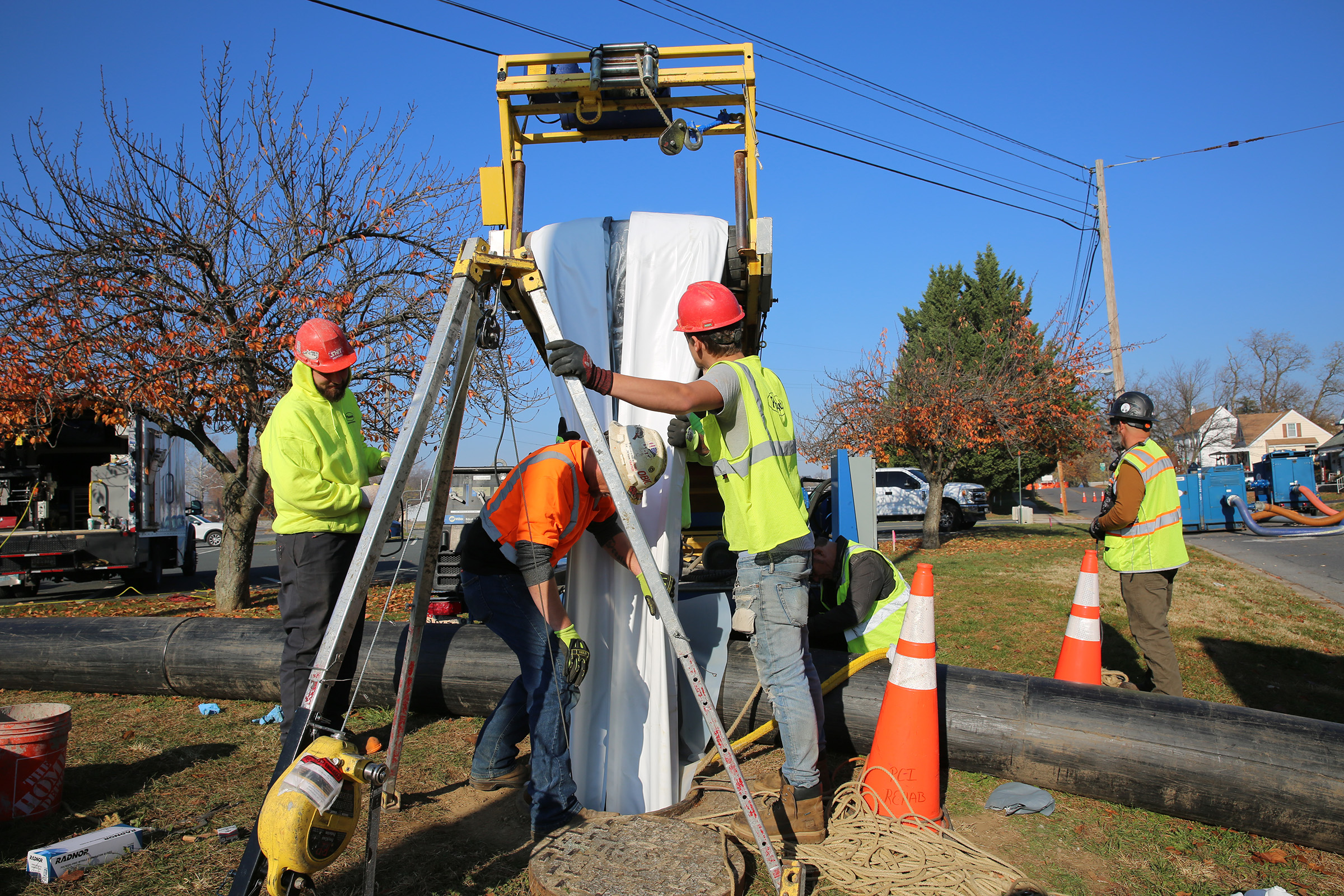
One of the most common methods used is cured in place pipe rehabilitation, often referred to as CIPP. This process creates a new pipe inside the old one by installing a flexible liner that hardens in place. The result is a seamless, durable interior pipe that restores strength and function.
How Trenchless Rehabilitation Works
The process begins with inspection. Crews use specialized cameras to inspect the interior of pipes and identify cracks, corrosion, root intrusion, or joint failures. This inspection helps determine if rehabilitation is the right solution and allows for proper planning.
Once inspection is complete, the pipe is thoroughly cleaned. Cleaning removes debris, sediment, and buildup so the liner can bond properly to the pipe walls. After cleaning, a resin-saturated liner is inserted into the pipe and positioned to match its shape.
The liner is then cured using heat, steam, or ultraviolet light. As it cures, it hardens and forms a new structural pipe inside the existing one. This new pipe seals leaks, improves flow, and strengthens the system without removing the original pipe.
Benefits of Underground Rehabilitation
One of the main benefits of underground rehabilitation is reduced disruption. Because excavation is limited, roads, sidewalks, landscaping, and nearby structures are left largely untouched. This is especially important in urban areas or locations with heavy traffic.
Rehabilitation is also cost effective. Traditional pipe replacement requires excavation, removal, hauling, and surface restoration. Trenchless methods eliminate many of these steps, which helps reduce labor costs and project duration.
Another benefit is long-term performance. The new liner creates a smooth, corrosion-resistant surface that improves flow and protects against future damage. Many rehabilitated pipes can remain in service for decades.
Underground Rehabilitation Services
Underground rehabilitation includes several services that address different system needs. These services include pipe lining to restore structural strength and prevent leaks, inspection and cleaning to prepare systems for repair, and rehabilitation of stormwater structures and culverts.
Rehabilitation solutions can also be applied to tanks and treatment systems where corrosion protection and leak prevention are critical. These services help maintain infrastructure while avoiding full system replacement.
When Underground Rehabilitation Makes Sense
Underground rehabilitation is ideal when pipes show signs of aging but have not completely failed. Addressing issues early helps prevent collapses, major leaks, and emergency repairs. It also allows owners to plan maintenance instead of reacting to failures.
Trenchless rehabilitation is also useful when surface restoration would be costly or disruptive. This includes areas under roads, parking lots, buildings, or landscaped spaces. The ability to repair pipes with minimal surface impact makes rehabilitation a practical solution for many sites.
Applications Across Industries
Underground rehabilitation is widely used by municipalities to maintain sewer and stormwater systems. Commercial property owners rely on it to repair utility lines without interrupting operations. Residential communities and industrial facilities also benefit from trenchless methods that keep systems functional during repairs.
The technology can be applied to a range of pipe sizes and materials, making it suitable for many types of infrastructure projects.
Environmental Advantages
Trenchless rehabilitation supports environmental goals by reducing excavation and material disposal. Less digging means lower fuel use, reduced soil disturbance, and minimal impact on surrounding areas. By extending the life of existing infrastructure, rehabilitation also reduces the need for new materials.
These benefits make underground rehabilitation an environmentally responsible option for maintaining critical systems.
Underground rehabilitation provides an efficient and reliable way to restore aging infrastructure without the disruption of traditional excavation. Trenchless solutions improve system performance, extend pipe life, and help control costs.
If you are planning a repair or want to explore trenchless options for your next project, contact Pleasants Construction today to discuss underground rehabilitation solutions and keep your infrastructure performing at its best.