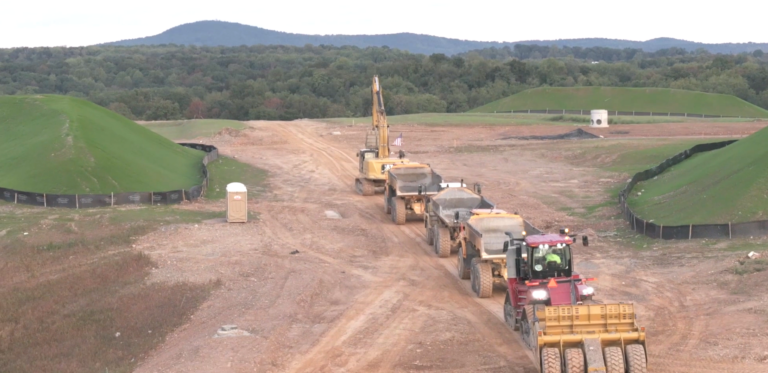
Building Strong Foundations with Site Soil Stabilization
- Site stabilization improves soil strength and stability to support construction and prevent erosion.
- Pleasants Construction uses soil cement and other stabilization methods to create stronger, long lasting ground conditions.
- Proper site stabilization helps projects stay on schedule and reduces future maintenance issues.
Understanding Site Stabilization
Site stabilization is a process used to strengthen soil so it can support roads, pavements, foundations, and other structures. Some soils are weak, loose, or prone to movement when wet or under load. When this happens, construction can be delayed and structures can fail over time. Soil cement is one method used to bind soil particles together. This creates a more stable base that resists movement and erosion.
Stabilization is important for areas with soft soils, high moisture content, or mixed material that cannot support normal construction. The process changes the soil so it becomes more durable and predictable under load. A stabilized site reduces costs over time because it lowers the risk of cracking, settling, and surface failures.
Soil Cement and Stabilization Methods
Soil cement is made by mixing soil with cement and water. The mixture is blended in the ground and compacted. As the cement cures, it binds soil particles together. The end result is a strong layer that behaves more like a solid base than loose soil.
This method is used in many site conditions. It can be applied under roadways, parking areas, building pads, and other surfaces that need a firm foundation. Soil cement also inhibits erosion because water cannot easily wash away the finer soil materials.
Pleasants Construction evaluates each site before stabilization. This helps determine the best mix of soil, cement, and water for the conditions present. Proper mixing and compaction ensure the stabilization layer performs as planned.
Benefits of Site Stabilization
Site stabilization offers several key benefits for construction projects. It improves load bearing capacity so heavy equipment and structures do not cause soil failure. Stronger base layers help prevent cracking or distortion in pavement and slabs.
Stabilized soil also reduces erosion and dust. This is especially important on sites with frequent rainfall or wind. When soil stays in place, runoff is reduced and nearby waterways are less likely to be impacted. This also helps with regulatory compliance on construction sites.
Another benefit of soil cement stabilization is reduced long term maintenance. Surfaces built on stabilized ground tend to require fewer repairs over time. This can lower overall project costs and improve the life span of the finished work.
Site Stabilization in Construction Work
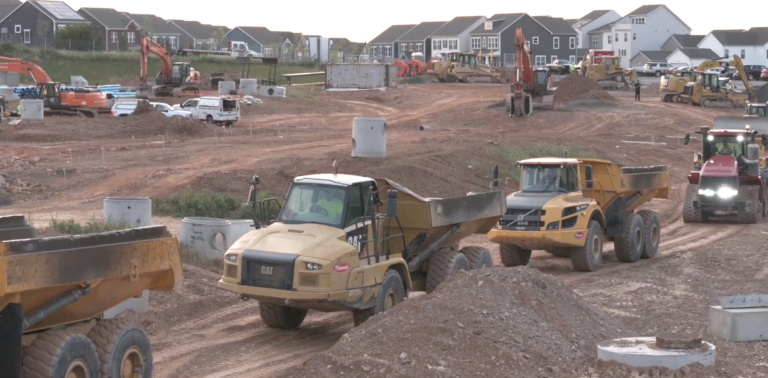
Stabilization is often used in earthwork, road building, parking areas, and new development sites. Before paving or building begins, crews prepare the soil through grading and compaction. Soil cement or other stabilizing agents are mixed into the soil to create a reliable base.
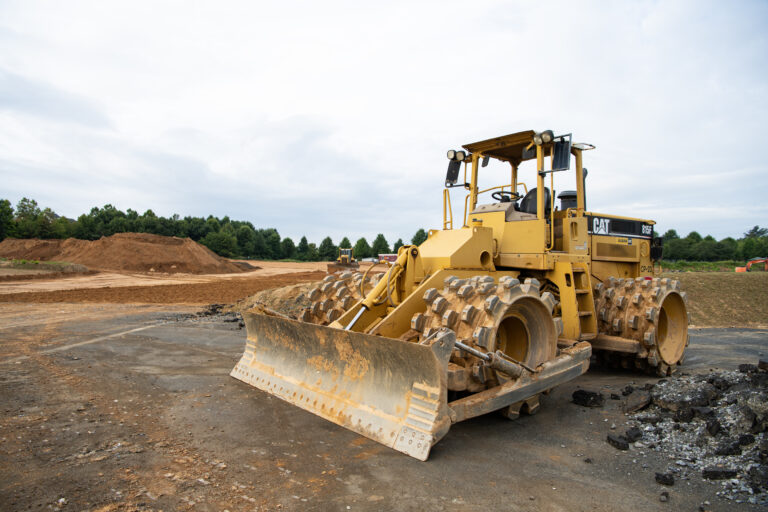
Equipment designed for mixing and compaction is used to ensure consistent results. Crews monitor moisture content, cement ratios, and compaction levels. These factors help create a stable layer that performs well under expected loads.
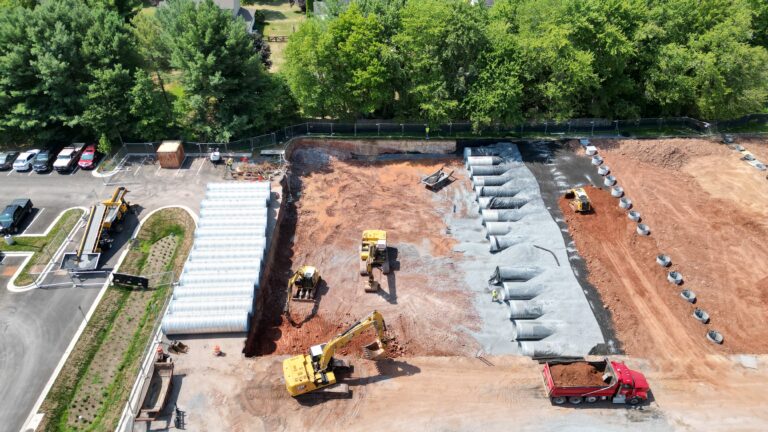
At many job sites, stabilization is a necessary step before other work can continue. By making the ground more reliable, construction crews can place utilities, pavements, and structures with confidence.
Environmental and Long Term Advantages
Stabilizing soil helps reduce erosion and sediment runoff. This protects nearby land and water resources. When soil stays in place, less sediment travels into storm drains and streams. This also helps with environmental management plans on construction projects.
Because stabilized soils resist movement, they can help limit dust and airborne particles. This contributes to better air quality on and around the site. Stabilization also reduces the need for import of expensive base materials because the existing soil can be enhanced to meet structural needs.
Project Types That Use Stabilization
Site stabilization is used across many types of construction. Roads, parking lots, building pads, utility corridors, and earthwork areas all benefit from stronger ground conditions. Municipal projects, commercial developments, residential communities, and industrial sites commonly require stabilization to meet design and performance goals.
Pleasants Construction works with project teams to evaluate soil conditions and recommend stabilization approaches that fit each project’s needs. This collaborative approach helps ensure successful outcomes.
Bringing Stability to Your Site
Site stabilization creates a stronger foundation that supports long term performance. By treating soil with cement and controlling compaction, crews produce base layers that resist movement, erosion, and wear. This makes construction work more predictable and durable over time.
Proper stabilization can reduce repairs, limit environmental risks, and improve safety on the job site. It helps projects stay on schedule and avoid unexpected problems related to weak soil.
If you are planning a project that requires a solid base and long lasting results, contact Pleasants Construction to discuss site stabilization services tailored to your site conditions and project goals.