Choosing the Right Site Development Contractor: 7 Questions to Ask
- Choosing the right site development contractor is critical for keeping construction projects on schedule and within budget.
- Experienced contractors provide services such as excavation, grading, utilities installation, and site preparation.
- Asking the right questions before hiring a contractor helps prevent delays, safety issues, and costly mistakes.
Site development is the foundation of any successful construction project. Before buildings, roads, or infrastructure can be installed, the land must be properly prepared. This process includes clearing the site, excavation, grading, installing utilities, and ensuring proper drainage.
Because site development affects every stage of construction, choosing the right contractor is extremely important. An experienced contractor can help a project move forward smoothly, while the wrong one can lead to delays, unexpected costs, and long term problems.
If you are planning a commercial, municipal, or industrial project, asking the right questions can help you select a contractor with the experience and capabilities needed for success.
1. What Experience Do You Have with Site Development Projects?
The first question to ask any contractor is about their experience with site development. Not all construction companies specialize in this type of work. Site development requires knowledge of soil conditions, drainage systems, excavation methods, and underground utilities.
Look for a contractor with a strong track record of handling projects similar to yours. Experience with commercial developments, infrastructure projects, or large scale earthwork can make a big difference in how efficiently the job is completed.
2. What Services Do You Provide In House?
Some contractors only perform limited services and rely on subcontractors for the rest of the work. Others offer complete site development services from start to finish.
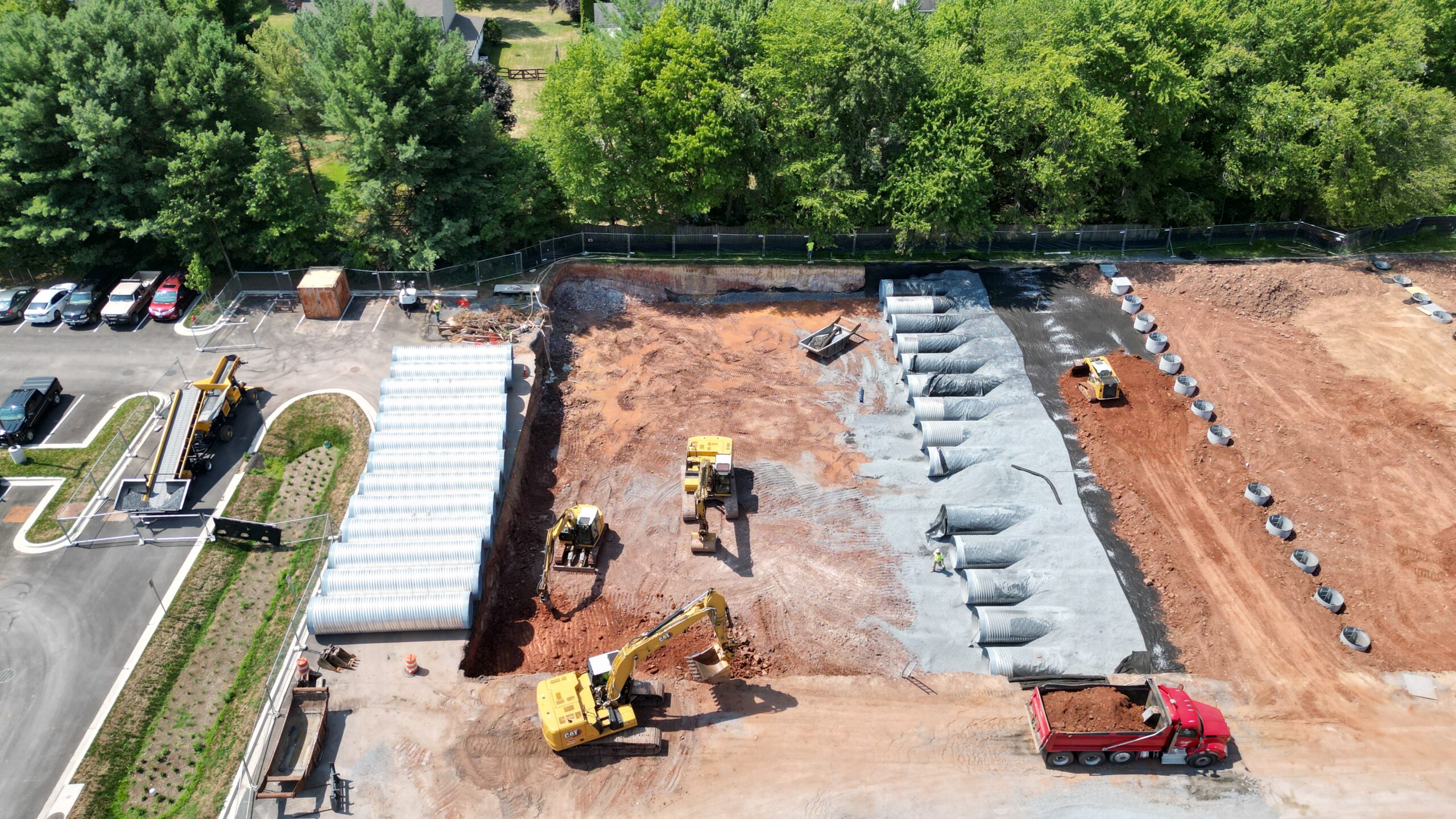
Working with a contractor that provides multiple services can simplify project coordination. Services may include site clearing, excavation, grading, utilities installation, soil stabilization, and demolition. When these services are handled by one team, communication improves and the project can move faster.
3. What Equipment and Resources Do You Use?
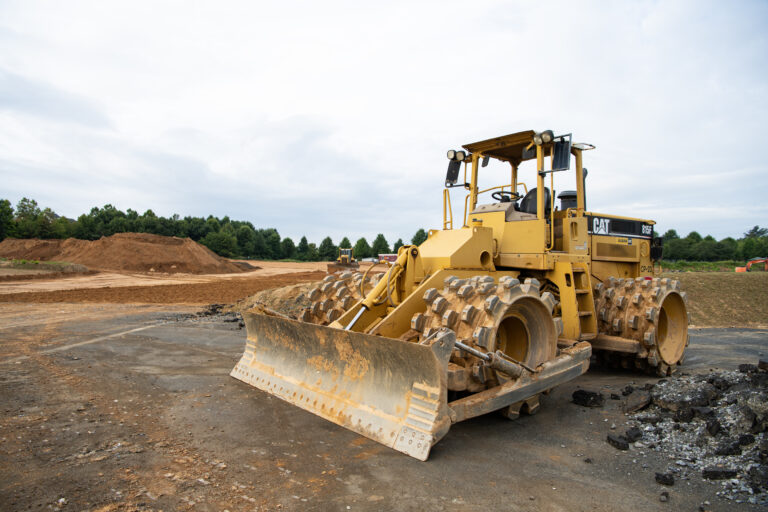
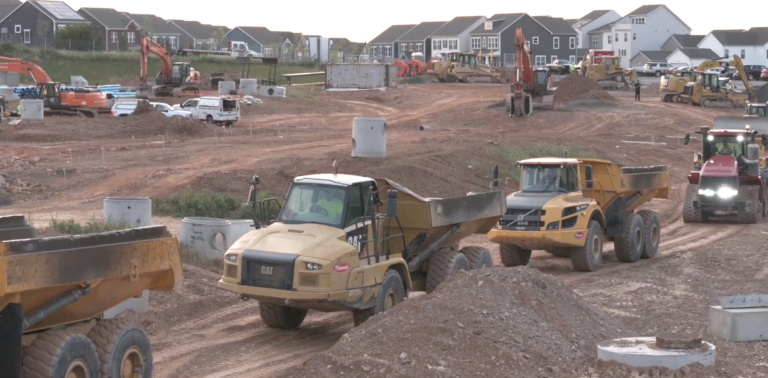
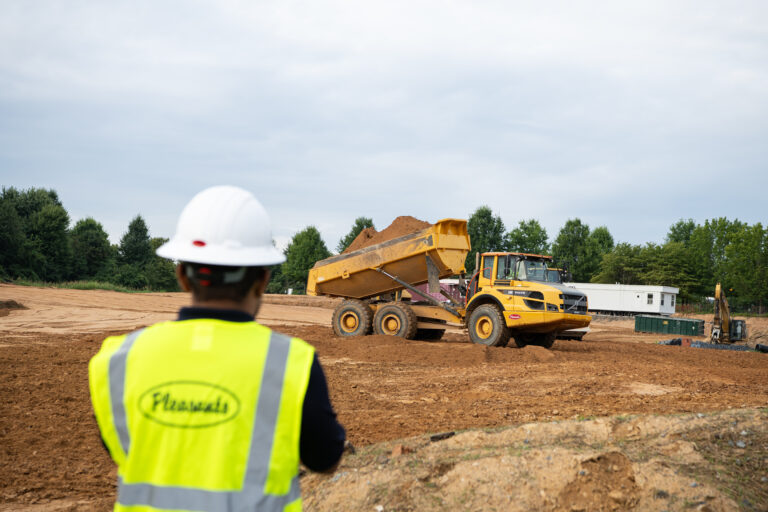
Site development requires specialized equipment such as excavators, loaders, graders, and compactors. Modern equipment helps crews complete excavation and grading work more efficiently and accurately.
Ask contractors about the equipment they use and whether they have the resources to handle projects of your size. A well equipped contractor is better prepared to manage unexpected challenges during construction.
4. How Do You Handle Drainage and Stormwater Management?
Proper drainage is essential for any construction site. Poor drainage can lead to erosion, water damage, and long term structural problems.
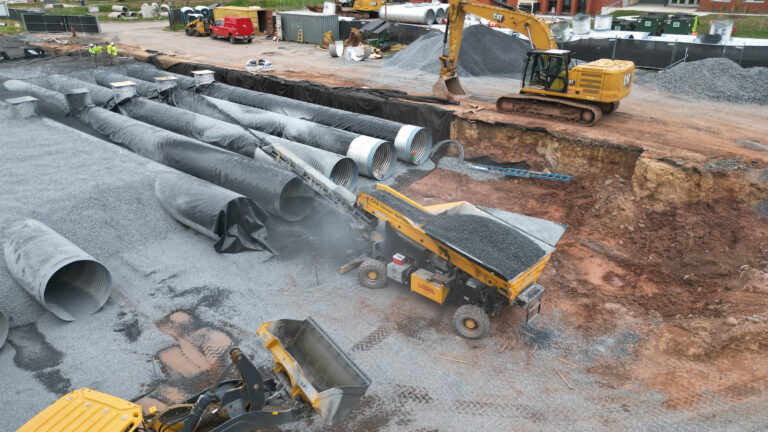
An experienced site development contractor should understand stormwater management requirements and grading techniques that direct water away from buildings and pavement. This helps protect the site and keeps projects in compliance with environmental regulations.
5. How Do You Ensure Safety on the Job Site?
Construction sites can present serious safety risks if they are not managed properly. Excavation work, heavy equipment, and underground utilities all require strict safety procedures.
Ask contractors about their safety programs, employee training, and safety records. Contractors that prioritize safety help reduce accidents and keep projects running smoothly.
6. How Do You Manage Project Schedules and Communication?
Clear communication is one of the most important parts of any construction project. Delays often occur when teams are not aligned on schedules or when issues are not addressed quickly.
A reliable contractor will provide regular updates, coordinate with engineers and project managers, and communicate clearly throughout the project. This level of organization helps keep site development work on schedule and allows other construction phases to begin on time.
7. Can You Provide Examples of Similar Projects?
One of the best ways to evaluate a contractor is by reviewing their past work. Ask for examples of similar site development projects they have completed. This can provide insight into the contractor’s capabilities and experience.
Past projects demonstrate how well a contractor handles excavation, grading, utilities installation, and other critical site preparation tasks.
Building a Strong Foundation for Your Project
Site development plays a major role in the success of any construction project. From clearing land to installing utilities and managing drainage, every step must be completed with precision and experience.
Choosing the right site development contractor helps ensure your project stays on schedule, meets regulatory requirements, and performs well for years to come.
If you are planning a construction project in Maryland, Virginia, or Washington DC, Pleasants Construction provides professional site development services designed to prepare your site for long term success. Contact Pleasants Construction today to learn how their experienced team can support your next project.